

Tips and care guides for your exotic pets
At Slithery Solutions LLC, we believe that successful exotic pet ownership starts with accurate education and thoughtful husbandry. Learn how to master temperature gradients, humidity balance, and species-appropriate nutrition to create thriving habitats for beginner favorites.

Ball python care essentials
Ball pythons are renowned for their docile temperament, but they require strict environmental controls to thrive. A proper thermal gradient—featuring a warm basking zone and a cool hide area—ensures effective digestion and comfort. Maintaining a consistent humidity level between 55% and 65% is essential to avoid respiratory concerns and incomplete sheds. Provide adequate enclosure space and appropriately sized frozen-thawed rodents on a consistent schedule to support natural growth and overall vitality.

Leopard gecko habitat and nutrition
Leopard geckos make wonderful reptile companions when given proper dry conditions and warm shelter. Unlike many common myths, reptiles are not low-maintenance; leopard geckos need a dedicated undertank or regulated overhead heat source to aid digestion without risk of burns. Offer gut-loaded, calcium-dusted feeder insects alongside a dedicated humid hide box so your gecko sheds effortlessly and maintains long-term bone density.
Bearded dragon lighting and diet
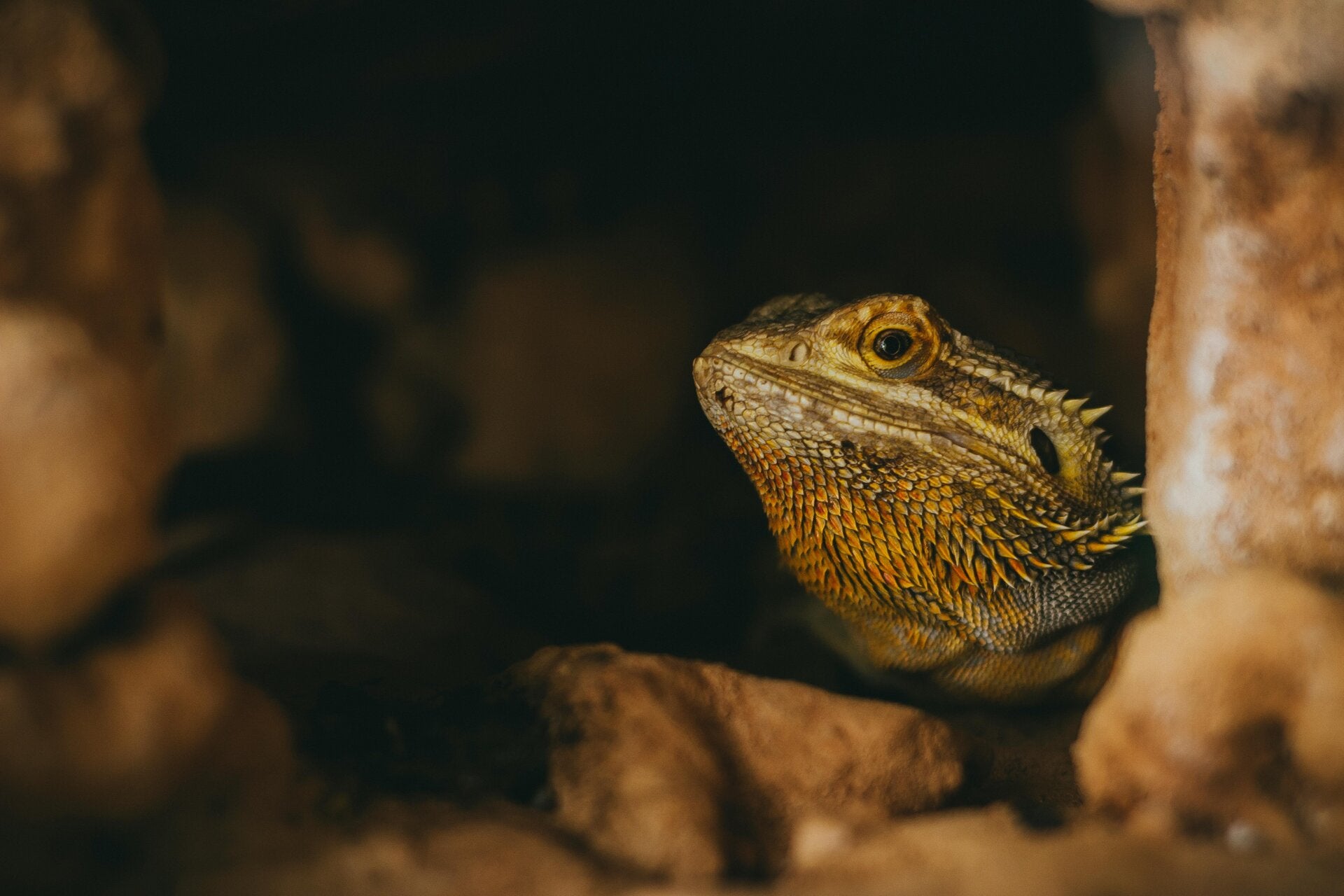
Bearded dragons are curious, active desert reptiles that depend heavily on high-output UVB lighting and an ample basking surface. Avoid undersized enclosures, as mature dragons need plenty of horizontal floor space to explore and regulate their internal temperatures. Keep their daily nutrition balanced with a nutritious combination of fresh leafy greens and protein-packed feeder insects tailored to their current age and metabolism.